


62 Western dishes
Mr. and Mrs. Morioka are potters who create their works at the foot of Mt. Koya in Wakayama Prefecture. They say it has been 50 years since they started pottery.
At their studio, several kilns have been built, with a giant wood-fired kiln over 10m long at its center. Typically, wood-fired kilns are fired for 2-3 days, but Seikou-san's signature Nanban Yakishime is fired for 10 consecutive days. Each firing consumes tens of tons of firewood.
The Morioka family employs such a highly demanding production method. They have delivered vibrant works that feel as if they embody the energy of the flames within the kiln.
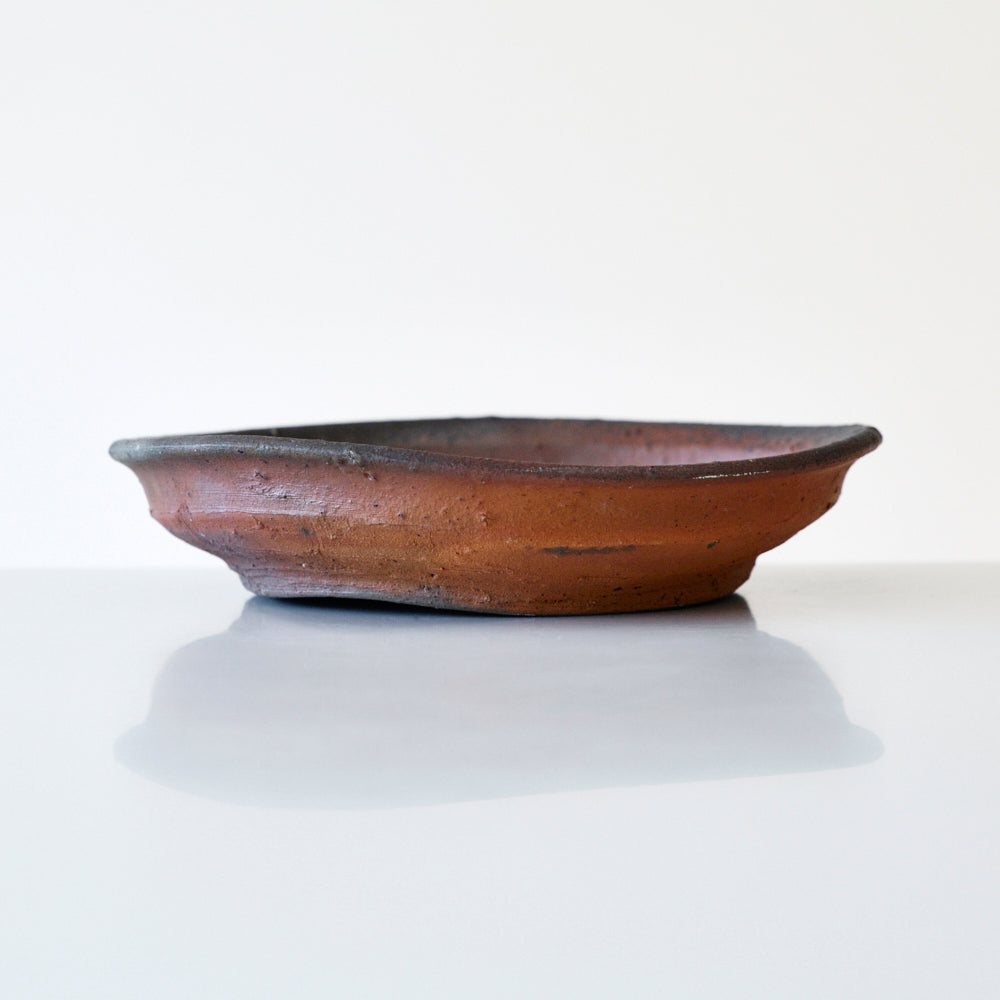
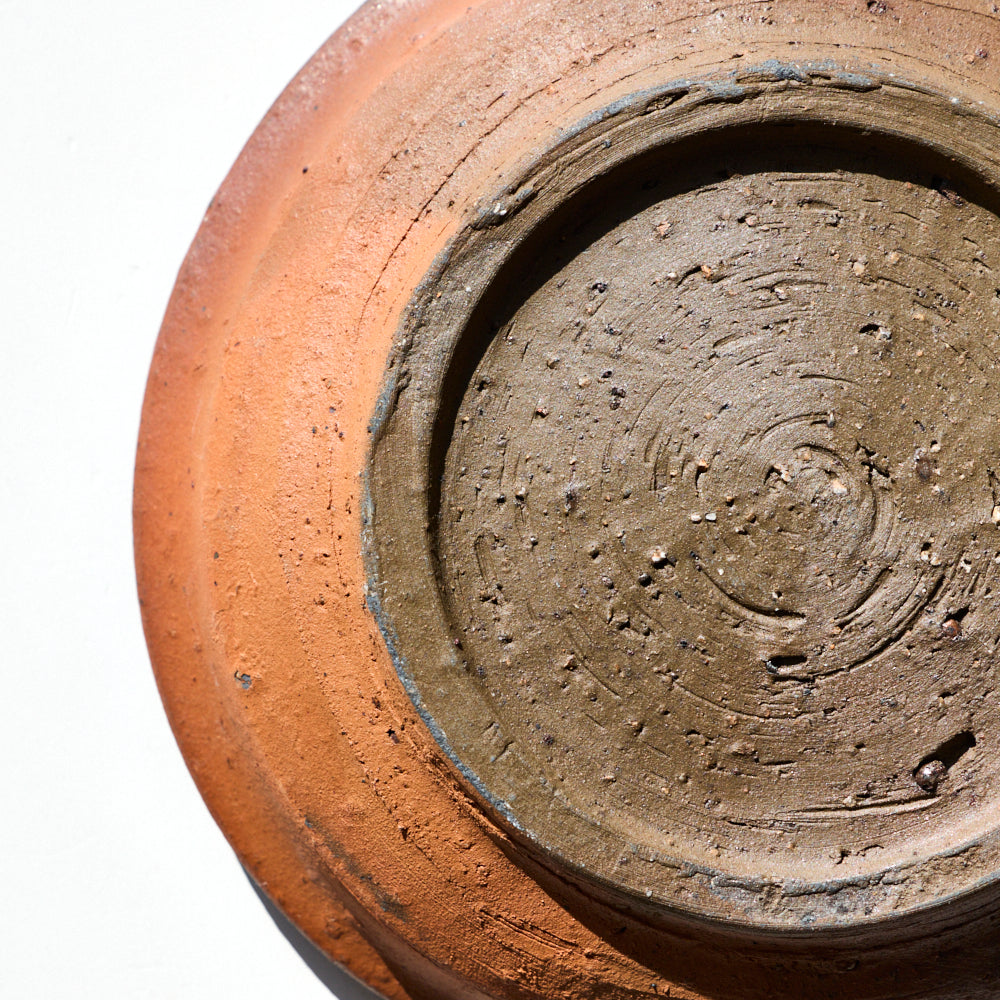
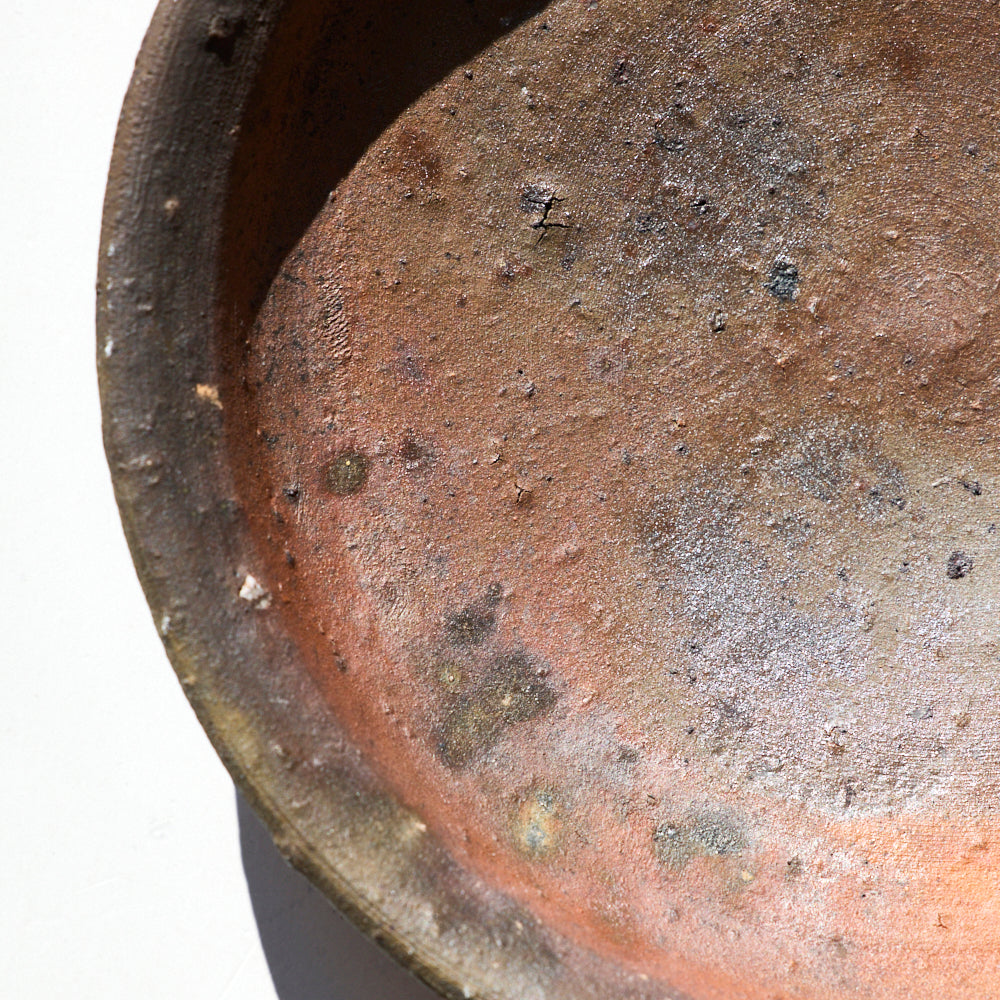
This is a Western-style plate made with Nanban Yakishime. Its shape and size are very easy to use, making it highly recommended for those who want to try Yakishime for the first time. It was the most popular item among customers who purchased Seikou-san's works for the first time at our store.
The store owner used it when serving curry at home, and the surface, which had been used for decades, was glossy like lacquer. Spoons also fit well, and I instantly fell in love with it. Western-style plates are popular and often out of stock. Please get yours early.
Diameter: Approx. 23.5cm / Height: Approx. 4cm
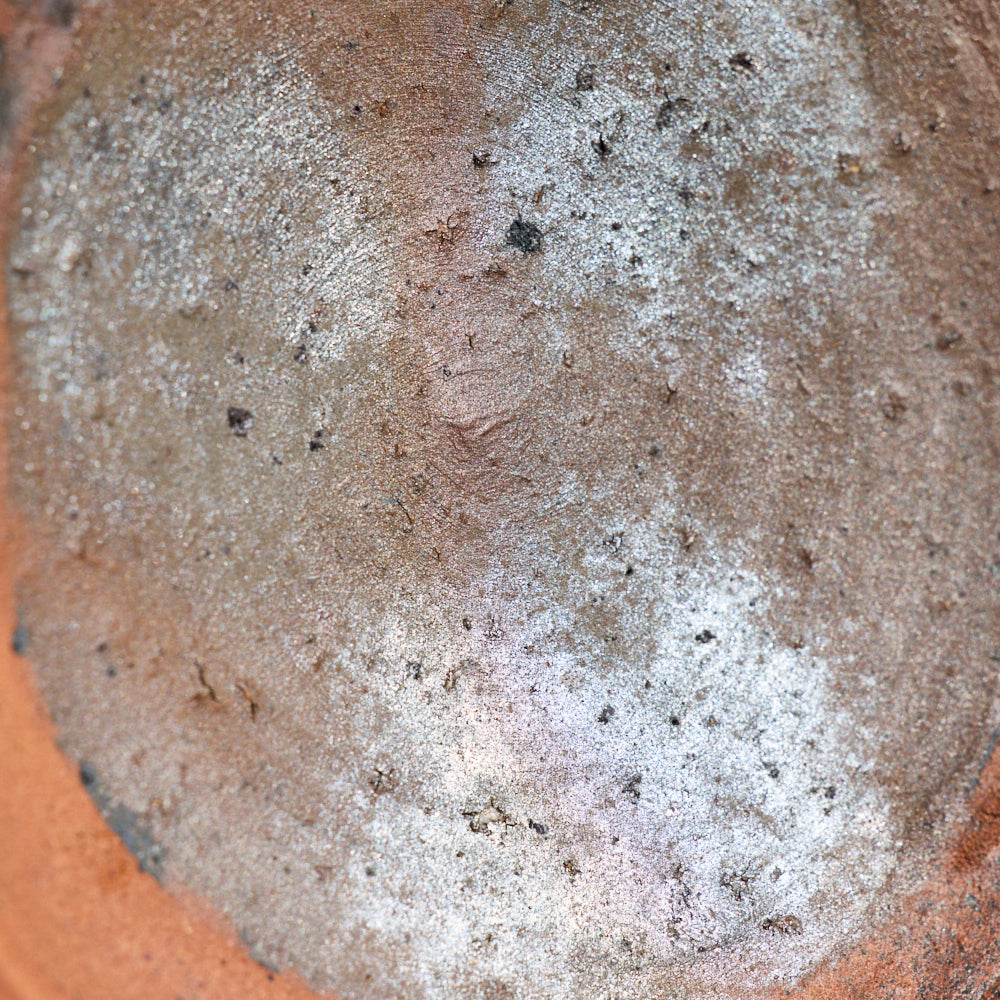
*As these are artisan works, each item differs in color, shape, size, and thickness, resulting in individual variations.
*Yakishime works undergo changes over time. Oil stains tend to appear easily at first, but continued use will allow the whole piece to blend in and the vessel to mature beautifully. If you are concerned, you can make it less prone to change by soaking it in water and wiping it before use.
*Please refrain from using in microwaves,ovens, or over open flames.
*Returns or refunds are not accepted under any circumstances. Please understand this before making a purchase.
Biography of Seikou Morioka
Born in Nara Prefecture in 1948, grew up in Wakayama Prefecture. Started pottery at the age of 25 and built a kiln in Amano at the foot of Mt. Koya. Encountered Nanban Yakishime during a visit to Tanegashima, and has since focused on Yakishime pottery. Afterward, he traveled to kilns around the world in North and Central America, Southeast Asia, Korea, India, and other regions, learning about making vessels and earthenware. He is an artist who has attracted attention both domestically and internationally, with one of his large jars being housed in the permanent collection of the Museum of Modern Art, New York.

Choose options